7 Critical Mistakes to Avoid When Implementing AI-Driven Risk Management
Enterprise organizations face mounting pressure to modernize their risk management frameworks, yet many stumble during implementation. While artificial intelligence promises to transform how businesses identify, assess, and mitigate risks, the path from pilot project to enterprise-wide deployment is littered with costly missteps. Understanding these common pitfalls—and the strategies to avoid them—can mean the difference between a transformative initiative and a failed investment that sets your organization back years.
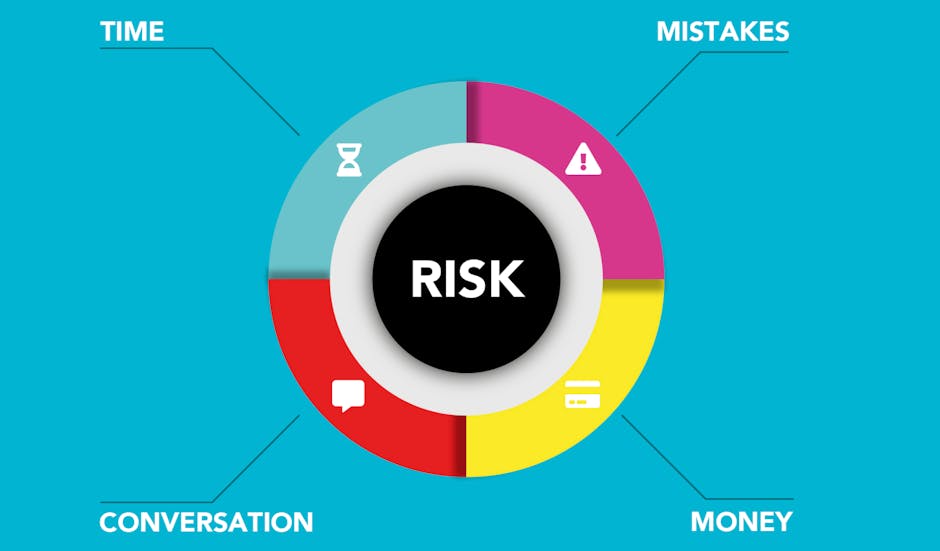
The integration of AI-Driven Risk Management into enterprise operations represents one of the most significant shifts in corporate governance in decades. However, research shows that approximately 60% of AI risk initiatives fail to move beyond the experimental phase, often due to preventable errors in planning, execution, and change management. By examining the most frequent mistakes organizations make, risk leaders can design implementation strategies that maximize value while minimizing disruption.
Mistake #1: Treating AI-Driven Risk Management as Purely a Technology Initiative
Perhaps the most fundamental error organizations make is approaching AI-driven risk management as primarily a technology problem requiring a technology solution. While the underlying systems certainly involve sophisticated machine learning algorithms and data infrastructure, successful implementations recognize that technology represents only one component of a broader organizational transformation.
Companies that fall into this trap typically assign the project exclusively to IT departments or external vendors, minimizing involvement from risk management professionals, business unit leaders, and frontline staff who will ultimately use these systems. The result is often technically impressive solutions that fail to address actual business needs or integrate smoothly into existing workflows.
To avoid this mistake, establish a cross-functional governance structure from day one. Your implementation team should include risk officers, compliance professionals, business unit representatives, IT specialists, and change management experts. This diverse group ensures that technical capabilities align with practical requirements while addressing the cultural and process changes necessary for successful adoption. One financial services firm that adopted this approach saw user adoption rates increase from 23% to 87% within six months by ensuring that system design reflected actual user workflows and pain points.
Mistake #2: Insufficient Data Quality and Governance Foundations
AI-driven risk management systems are only as effective as the data they process. Yet organizations frequently rush into implementation without first establishing robust data quality standards, governance frameworks, and integration protocols. This oversight leads to models that perpetuate existing biases, generate unreliable risk assessments, or fail to provide actionable insights.
The problem manifests in several ways. Risk data may be scattered across incompatible systems with inconsistent definitions and formats. Historical information might contain gaps, errors, or outdated classifications. Critical data sources may be overlooked entirely, creating blind spots in risk coverage. Without addressing these foundational issues, even the most sophisticated AI algorithms will produce flawed outputs.
Successful organizations invest heavily in data preparation before deploying AI-driven risk management capabilities. This includes conducting comprehensive data audits to identify quality issues, establishing clear data ownership and stewardship roles, implementing data governance policies that ensure consistency and accuracy, and creating enterprise-wide taxonomies for risk classification and measurement. A manufacturing conglomerate spent eight months on data foundation work before activating their AI risk platform, an investment that paid dividends when their system achieved 94% accuracy in predicting supply chain disruptions compared to industry averages below 70%.
Mistake #3: Overlooking Model Transparency and Explainability
The "black box" nature of some AI algorithms creates significant challenges in risk management contexts where stakeholders need to understand why a particular risk assessment was generated. Regulators, board members, and business leaders require clear explanations of how AI systems reach their conclusions, yet many organizations deploy opaque models that cannot provide this transparency.
This mistake becomes particularly problematic during regulatory examinations, audit reviews, or crisis situations when decision-makers need to justify actions based on AI recommendations. A risk alert that flags a potential compliance violation carries limited value if the system cannot articulate the specific factors that triggered the warning or the confidence level behind the assessment.
Building Transparency into Enterprise Risk Integration
Organizations should prioritize explainable AI approaches that balance predictive power with interpretability. This might involve:
- Selecting algorithms that provide clear decision pathways rather than purely optimizing for accuracy
- Implementing model documentation standards that capture training data, variables, assumptions, and limitations
- Creating user interfaces that display the key factors driving each risk assessment
- Establishing model validation processes that test both accuracy and explainability
- Training risk professionals to interpret and communicate AI-generated insights to non-technical stakeholders
An insurance company that adopted these practices reduced the time required for regulatory model reviews by 40% while increasing stakeholder confidence in their Automated Risk Assessment systems.
Mistake #4: Neglecting Change Management and User Adoption
Even the most sophisticated AI-driven risk management platform delivers zero value if risk professionals refuse to use it or circumvent it with shadow processes. Yet organizations consistently underestimate the change management required to shift from traditional risk approaches to AI-augmented workflows.
Resistance emerges from multiple sources. Experienced risk professionals may view AI systems as threats to their expertise or job security. Users comfortable with existing tools and processes resist learning new systems. Concerns about algorithmic bias or errors create hesitation to trust AI recommendations. Without addressing these human factors, technical implementations founder regardless of their capabilities.
Effective change management begins during the design phase, not after deployment. Involve end users in requirements gathering and prototype testing to build ownership and ensure the system meets actual needs. Develop comprehensive training programs that go beyond basic system operation to explain how AI enhances rather than replaces human judgment. Create internal champions who can demonstrate value and address concerns from their peers. Implement feedback mechanisms that allow continuous improvement based on user experience. One global bank achieved 92% user adoption within 90 days by deploying a network of departmental champions who provided peer-to-peer training and support, vastly outperforming their previous initiative that relied solely on formal training sessions.
Mistake #5: Failing to Establish Clear Risk Management Strategies for the AI System Itself
Organizations implementing AI-driven risk management to identify and mitigate business risks often overlook a critical irony: the AI system itself introduces new risks that require careful management. Model drift, data poisoning, algorithmic bias, system failures, and cybersecurity vulnerabilities can all compromise the effectiveness and safety of AI risk platforms.
This oversight creates dangerous scenarios where organizations place increasing reliance on systems whose own risks remain unmanaged. A model that performs well initially may degrade over time as business conditions change but the training data remains static. Malicious actors might manipulate input data to generate false risk assessments. Undetected biases could lead to discriminatory outcomes in credit risk, fraud detection, or other sensitive domains.
Implementing AI Risk Governance
Robust AI governance frameworks should address:
- Continuous monitoring of model performance against baseline metrics
- Regular retraining and validation cycles to address model drift
- Bias testing across demographic groups and business segments
- Incident response plans for AI system failures or anomalous outputs
- Third-party risk management for vendor-provided AI components
- Ethical review processes for high-impact AI decisions
A healthcare organization that implemented these governance practices detected and corrected a model drift issue that would have resulted in missed fraud detection worth an estimated $12 million annually.
Mistake #6: Underestimating Integration Complexity
AI-driven risk management rarely operates in isolation. These systems must integrate with existing risk data repositories, enterprise resource planning platforms, compliance management systems, reporting tools, and numerous other applications. Organizations frequently underestimate the technical complexity and organizational coordination required to achieve seamless integration.
Integration challenges manifest in multiple dimensions. Technical incompatibilities between systems require custom development work. Data synchronization issues create version control problems and inconsistencies. Workflow integration demands process redesign across multiple departments. API limitations restrict the depth of system connectivity. Each integration point introduces potential failure modes that can compromise system reliability.
Successful organizations approach integration as a core architectural requirement rather than an afterthought. Conduct comprehensive system inventories to identify all necessary integration points. Develop detailed integration roadmaps with realistic timelines and resource requirements. Prioritize integrations based on business value and technical dependencies. Build robust error handling and data reconciliation processes. Consider integration platforms or middleware that can simplify complex system connectivity. An energy company that adopted this structured approach reduced their integration timeline from a projected 18 months to 11 months while avoiding the cost overruns that plagued their previous implementations.
Mistake #7: Launching Without Adequate Performance Metrics
The final critical mistake involves deploying AI-driven risk management capabilities without establishing clear success metrics and performance measurement frameworks. Without objective benchmarks, organizations struggle to assess whether their AI investments are delivering value, identify areas requiring improvement, or justify continued funding to skeptical stakeholders.
Vague goals like "improve risk management" or "increase efficiency" provide insufficient guidance for implementation teams or meaningful evaluation criteria. Organizations need specific, measurable objectives tied to business outcomes. These might include metrics such as percentage reduction in risk identification time, accuracy improvements in risk assessments compared to traditional methods, false positive rates in alert generation, user adoption and satisfaction scores, or cost savings from improved risk mitigation.
Establish baseline measurements before deployment to enable meaningful before-and-after comparisons. Define both leading indicators that provide early signals of success or problems and lagging indicators that measure ultimate business impact. Create dashboards that make performance visible to stakeholders at all levels. Conduct regular reviews to assess progress and adjust strategies as needed. One telecommunications provider that implemented rigorous performance tracking discovered that while their AI system excelled at identifying operational risks, it underperformed in financial risk assessment, allowing them to focus improvement efforts where they would deliver maximum value.
Conclusion
Implementing AI-driven risk management successfully requires far more than selecting the right technology platform. The organizations that extract maximum value from these powerful capabilities are those that avoid the common pitfalls that derail so many initiatives. By treating implementation as an organizational transformation rather than a technology project, establishing solid data foundations, prioritizing transparency and explainability, investing in change management, governing the AI system itself, planning for integration complexity, and measuring performance rigorously, risk leaders can navigate the challenges and realize the substantial benefits these systems offer. As enterprise risk landscapes grow increasingly complex and dynamic, those who master these implementation fundamentals will be best positioned to leverage an Intelligent Automation Platform that transforms risk from a compliance obligation into a strategic advantage.


Comments
Post a Comment