The Future of AI in Healthcare: Transformative Predictions 2026-2030
The intersection of artificial intelligence and medicine stands at a pivotal moment in 2026, with transformative capabilities reshaping how we diagnose, treat, and prevent disease. As healthcare systems worldwide grapple with increasing patient volumes, clinician burnout, and rising costs, intelligent technologies offer unprecedented opportunities to enhance care quality while improving operational efficiency. The coming years promise to accelerate this evolution, with innovations in machine learning, natural language processing, and computer vision converging to create healthcare ecosystems that are more predictive, personalized, and accessible than ever before.
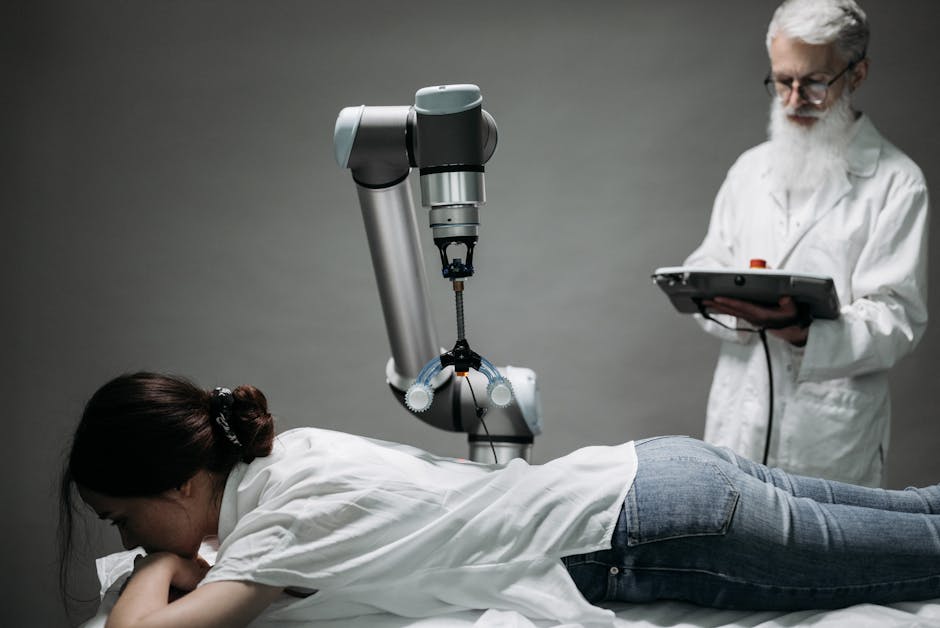
Looking toward the horizon of 2030, AI in Healthcare will move beyond experimental pilots to become foundational infrastructure across medical institutions. Industry analysts project that by 2029, over 87% of hospitals in developed nations will deploy at least one AI-powered clinical decision support system, fundamentally changing the physician-patient relationship. These systems will not replace human expertise but rather augment it, providing clinicians with real-time insights drawn from millions of patient records, research papers, and treatment outcomes. The shift represents a move from reactive medicine—treating illness after it emerges—to proactive, preventive care guided by sophisticated predictive models.
Predictive Analytics and Preventive Care Revolution
Within the next three years, predictive analytics will emerge as the cornerstone of preventive medicine, fundamentally altering how healthcare systems identify at-risk populations. Advanced algorithms will continuously monitor patient data from wearable devices, electronic health records, and genetic profiles to detect subtle patterns that precede disease onset. By 2028, cardiologists will routinely use AI models that predict heart attack risk with 94% accuracy up to five years before an event, allowing for targeted interventions that prevent rather than treat cardiovascular disease. These Medical AI Applications will extend beyond cardiology to oncology, where early detection algorithms will identify cancerous changes at the cellular level months before traditional imaging can visualize tumors.
The economic implications of this shift are staggering. Healthcare systems spending billions on emergency interventions and late-stage treatments will redirect resources toward prevention programs guided by artificial intelligence. Insurance models will evolve accordingly, with premiums tied to engagement with AI-powered wellness programs that monitor lifestyle factors and recommend personalized interventions. Patients identified as high-risk for diabetes will receive customized nutrition plans, exercise regimens, and pharmaceutical interventions years before blood sugar levels reach diagnostic thresholds. This proactive approach will reduce chronic disease prevalence by an estimated 23% across participating populations by 2030, according to projections from leading health economics researchers.
Precision Medicine Becomes Clinical Standard
The promise of precision medicine—tailoring treatments to individual genetic profiles, environmental exposures, and lifestyle factors—will transition from research concept to clinical reality between 2026 and 2030. Healthcare Technology powered by deep learning will analyze whole genome sequences in minutes rather than weeks, identifying genetic variants that influence drug metabolism, disease susceptibility, and treatment response. Oncologists will routinely sequence patient tumors and use AI systems to match genetic mutations with targeted therapies, dramatically improving cancer survival rates while minimizing toxic side effects from ineffective treatments.
Pharmacogenomics, the study of how genes affect medication response, will become standard practice across specialties. Before prescribing antidepressants, psychiatrists will consult AI platforms that predict which medications will prove most effective based on genetic markers, neurotransmitter levels, and patient history. This approach will reduce the trial-and-error period that currently sees patients cycling through multiple medications before finding effective treatment. By 2029, adverse drug reactions—currently responsible for over 100,000 deaths annually in the United States alone—will decline by 40% as AI systems flag dangerous drug interactions and genetic contraindications before prescriptions are written.
Multi-Omic Data Integration
The true power of precision medicine will emerge as AI in Healthcare integrates genomic data with proteomics, metabolomics, and microbiome analysis—collectively called multi-omic profiling. Machine learning models will identify complex interactions between these biological layers that human researchers could never detect, revealing why some patients respond to treatments while genetically similar individuals do not. Rheumatologists treating autoimmune conditions will use these insights to predict disease flares weeks in advance, adjusting immunosuppressive therapy before symptoms emerge. This level of personalization will extend to rare diseases, where AI systems will identify患者 with ultra-rare conditions by matching symptom patterns and genetic profiles across global databases, ending diagnostic odysseys that currently span years.
AI-Powered Robotic Surgery Evolution
Surgical robotics will undergo transformative advancement as artificial intelligence moves from assistive technology to autonomous decision-making partner. By 2028, the majority of minimally invasive procedures will incorporate AI systems that provide real-time guidance, identifying critical anatomical structures, predicting tissue behavior, and recommending optimal surgical approaches based on patient-specific factors. During laparoscopic procedures, computer vision algorithms will highlight blood vessels, nerves, and tumor margins with precision exceeding human visual acuity, reducing complication rates and improving outcomes.
The most dramatic evolution will occur in neurosurgery and microsurgery, where sub-millimeter precision determines success or catastrophic failure. AI-guided robotic systems will perform delicate procedures like nerve repair and brain tumor resection with stability impossible for human hands, filtering out tremors and making micro-adjustments based on tissue resistance and blood flow patterns. Senior surgeons will supervise multiple procedures simultaneously, intervening when AI systems flag unexpected complications while allowing autonomous execution of routine steps. This collaborative model will address surgeon shortages in specialized fields while expanding access to complex procedures in underserved regions via telesurgery platforms.
Remote Patient Monitoring and Telemedicine Maturation
The telemedicine surge triggered by the COVID-19 pandemic will mature into comprehensive remote care ecosystems powered by artificial intelligence. By 2027, over 60% of chronic disease management will occur primarily through virtual visits supplemented by continuous monitoring from consumer-grade medical devices. Patients with congestive heart failure will wear patches that transmit cardiac rhythm, fluid status, and activity levels to AI platforms that alert clinicians to decompensation days before patients would typically seek emergency care. This shift will reduce hospital readmissions by 35% while improving quality of life for patients managing chronic conditions.
Mental healthcare will be revolutionized by AI-powered digital therapeutics that provide 24/7 support between traditional therapy sessions. Natural language processing algorithms will analyze speech patterns, word choice, and conversation dynamics during therapeutic sessions to identify early warning signs of relapse in conditions like depression and substance use disorders. Virtual reality environments guided by artificial intelligence will deliver exposure therapy for phobias and PTSD, adapting scenarios in real-time based on physiological stress responses measured through wearable sensors. These Medical AI Applications will not replace human therapists but rather extend their reach, making evidence-based mental health interventions accessible to populations currently underserved by traditional care models.
Drug Discovery and Development Acceleration
Pharmaceutical development, traditionally a 10-15 year process costing billions per approved drug, will be compressed through AI-driven discovery platforms. By 2029, the first medications designed entirely by artificial intelligence—from target identification through molecular optimization—will complete clinical trials and reach patients. Machine learning models will screen billions of molecular compounds virtually, predicting therapeutic efficacy, side effect profiles, and manufacturing feasibility before synthesizing a single molecule in the laboratory. This computational approach will reduce early-stage development timelines from years to months.
Rare disease drug development will particularly benefit from these advances. Conditions affecting small patient populations have historically attracted limited pharmaceutical investment due to small market sizes and difficult clinical trial recruitment. AI platforms will repurpose existing medications for rare diseases by identifying unexpected therapeutic mechanisms, bringing treatments to patients within years rather than decades. Clinical trial design will be optimized through algorithms that identify ideal patient populations, predict enrollment challenges, and recommend adaptive protocols that maximize information gained from limited participants. The result will be a renaissance in rare disease therapeutics, with treatments becoming available for conditions currently classified as untreatable.
Regulatory Evolution and Ethical Frameworks
As AI in Healthcare matures, regulatory bodies will establish comprehensive frameworks governing algorithm validation, bias mitigation, and liability allocation. The FDA and European Medicines Agency will implement streamlined approval pathways for AI medical devices that demonstrate continuous learning capabilities, recognizing that static validation insufficient for systems that evolve with new data. Healthcare institutions will establish AI governance committees responsible for monitoring algorithm performance, investigating failures, and ensuring equitable access across patient populations.
Ethical challenges surrounding data privacy, algorithmic transparency, and automation bias will drive development of explainable AI systems that provide clinicians with clear rationales for recommendations. Patients will gain rights to understand how algorithms influence their care and to request human review of AI-driven decisions. Reimbursement models will evolve to recognize the value of AI-supported preventive care, shifting payment incentives from volume-based fee-for-service toward outcomes-based models that reward health maintenance rather than illness treatment. These systemic changes will be essential to realizing the full potential of Healthcare Technology innovations emerging over the next five years.
Conclusion
The trajectory of artificial intelligence in medicine points toward a future where care is more predictive, personalized, and accessible than today's healthcare leaders could have imagined a decade ago. Between 2026 and 2030, we will witness the maturation of technologies that detect disease before symptoms emerge, tailor treatments to individual biology, and extend specialist expertise to every corner of the globe. These advances will not materialize automatically—they require sustained investment in digital infrastructure, workforce training, and equitable access policies that ensure all populations benefit from innovation. As healthcare organizations navigate this transformation, lessons from parallel industries implementing intelligent systems—such as the financial sector's experience with AI Banking Solutions for fraud detection and personalized services—offer valuable frameworks for responsible deployment at scale. The next five years will determine whether we realize AI's potential to democratize excellent healthcare or inadvertently deepen existing disparities, making thoughtful implementation as critical as technological capability itself.


Comments
Post a Comment