The Future of AI in Supply Chain: Transformative Trends Ahead
The landscape of supply chain management is rapidly evolving, driven by advancements in technology. Among these advancements, AI in Supply Chain stands out as a transformative force. This technology promises to redefine key operations, enhance efficiency, and create unprecedented opportunities for global commerce.
As we look towards the future, particularly the next 3-5 years, the implications of AI in Supply Chain become increasingly apparent. Emerging technologies and methodologies will reshape sectors and redefine the components of successful supply chains.
1. Optimizing Predictive Analytics
One major trend we anticipate is the optimization of predictive analytics through AI. As businesses’ demand forecasting improves, companies will be equipped to make more informed decisions about inventory levels, resource allocation, and customer engagement. Enhanced predictive accuracy will minimize stock-outs, reduce excess inventory, and ultimately lead to increased revenue.
2. Increased Automation and Robotics Integration
The New Frontier
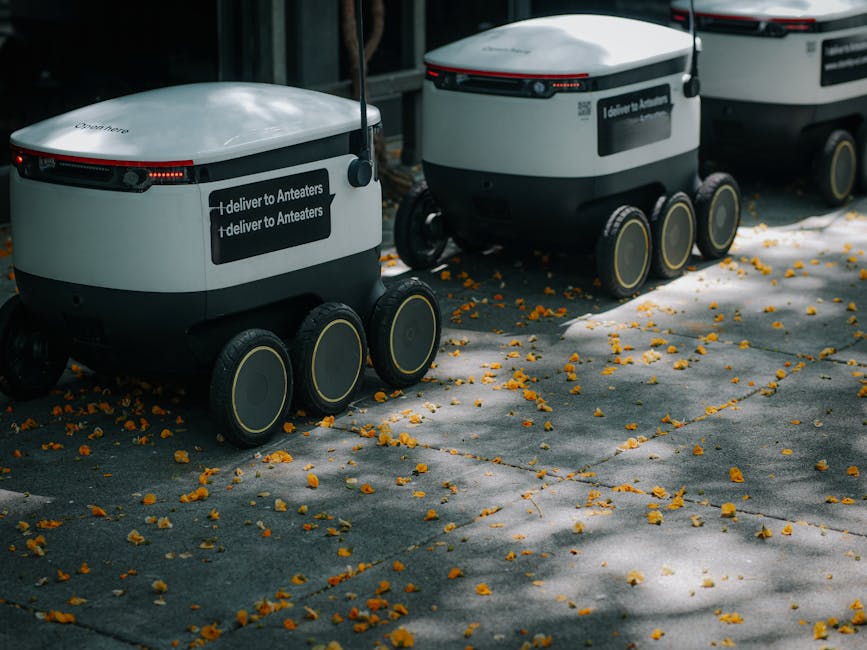
Automation through robotics is becoming a standard practice. The integration of autonomous vehicles and robotic systems will shall streamline warehouse operations and distribution networks. These machines will work collaboratively alongside human workers, enhancing productivity and operational excellence while minimizing errors associated with manual handling.
- Real-time tracking capabilities will significantly improve
- Less human intervention will speed up the fulfillment processes
3. Enhancing Supply Chain Transparency
In a world that values transparency, consumers expect to know where their products come from. Blockchain technology and AI can work together to provide comprehensive data across the supply chain, improving traceability and fostering trust. Companies that prioritize supply chain transparency will build better relationships with consumers and improve their market position.
4. Artificial Intelligence in Risk Management
AI's capability to analyze vast amounts of data will also empower organizations to identify and respond to risks more effectively. Risk management models will incorporate real-time data analytics, allowing businesses to anticipate disruptions before they occur and adapt their logistics accordingly.
Conclusion
As we venture into the near future, the role of Intelligent Automation in supply chain processes will only become more pronounced, pairing with AI to enhance operational excellence. These advancements will facilitate a more responsive, resilient, and efficiency-driven supply chain.


Comments
Post a Comment