Future of AI in Talent Acquisition: Trends Shaping Recruitment Through 2030
The talent acquisition landscape is undergoing a fundamental transformation as artificial intelligence reshapes every stage of the recruitment funnel. From candidate sourcing to offer acceptance, AI-powered systems are no longer experimental tools but essential infrastructure for competitive hiring teams. As we look toward 2030, the convergence of predictive analytics, natural language processing, and autonomous decision-making promises to redefine what it means to build high-performing talent pipelines in an increasingly distributed and competitive labor market.
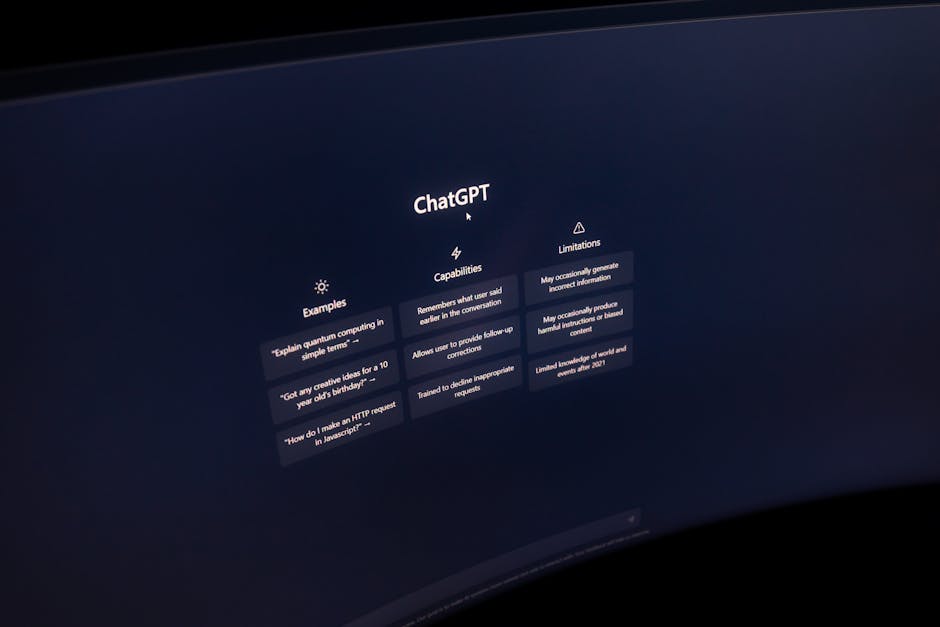
Organizations like LinkedIn and HireVue have demonstrated that AI in Talent Acquisition extends far beyond simple resume parsing or keyword matching. The next wave of innovation will center on systems that understand context, predict candidate success with remarkable accuracy, and actively eliminate bias from selection processes. These advances are not distant possibilities—they are actively being deployed by forward-thinking talent teams who recognize that the war for talent demands smarter, faster, and more equitable recruitment strategies.
The Evolution of Candidate Sourcing Intelligence
Passive candidate sourcing has always presented a challenge for recruiters trying to identify qualified professionals who are not actively seeking new opportunities. By 2028, AI-driven sourcing platforms will move beyond simple Boolean searches and into truly predictive territory. These systems will analyze career trajectories, skill acquisition patterns, and market movement signals to identify candidates who are statistically likely to be open to new opportunities within the next three to six months, even before those candidates update their profiles or engage with job content.
This shift represents a fundamental change in how talent acquisition teams build pipelines. Rather than waiting for job requisitions to open and then scrambling to source candidates, AI systems will continuously maintain warm talent pools segmented by likelihood to move, skill alignment, and cultural fit indicators. Workday and similar platforms are already testing early versions of this capability, with some organizations reporting a 40% reduction in time-to-fill for critical technical roles.
The most sophisticated implementations will integrate multiple data sources—professional networks, contribution to open-source projects, conference participation, publication records, and even sentiment analysis from professional communications. Automated Talent Sourcing tools will not simply identify candidates who match a job description; they will surface individuals whose career arcs suggest they are ready for specific types of challenges, even when those individuals have not explicitly signaled job search intent.
Predictive Analytics and Quality of Hire Transformation
Quality of hire has long been the holy grail metric for talent acquisition teams, yet it remains notoriously difficult to measure and optimize. The next generation of AI in Talent Acquisition will fundamentally change this calculus by creating closed feedback loops between hiring decisions and post-hire performance data. By 2029, mature organizations will deploy systems that continuously learn from every hiring outcome, refining their assessment criteria based on which candidate attributes actually predict success in specific roles and team contexts.
These predictive models will move far beyond traditional resume screening. Candidate Screening AI systems will analyze patterns in interview responses, assessment results, work samples, and reference feedback to generate multidimensional success probability scores. Critically, these systems will be transparent about which factors drive their recommendations, allowing talent teams to validate that predictions are based on job-relevant criteria rather than proxy variables that might introduce bias.
Organizations investing in custom AI solutions will gain significant competitive advantages by training models on their own historical hiring data and performance outcomes. This approach allows the system to learn what "good" looks like in the specific context of a company's culture, business model, and strategic priorities. Early adopters report that AI-augmented selection processes improve quality of hire scores by 25-35% while simultaneously reducing bias in candidate advancement decisions.
The integration of continuous learning mechanisms means these systems become more accurate over time. As organizations hire more people and gather more performance data, the predictive models refine their understanding of which candidate attributes matter most. This creates a virtuous cycle where better predictions lead to better hires, which generate better training data, which further improves predictions—a compounding advantage that will separate leaders from laggards in the talent acquisition space.
Conversational AI and Candidate Experience Revolution
High candidate drop-off rates have plagued recruitment funnels for years, particularly in high-volume hiring scenarios where communication lag creates friction. By 2027, conversational AI will become the primary interface between candidates and organizations throughout the early and middle stages of the recruitment process. These systems will handle everything from initial screening questions to interview scheduling, skills assessments coordination, and even salary expectations discussions with a level of sophistication that most candidates will find indistinguishable from human interaction.
The candidate experience benefits extend beyond mere responsiveness. AI Resume Parsing integrated with conversational interfaces will allow candidates to have natural-language discussions about their background rather than filling out lengthy application forms. The system will ask clarifying questions, probe for relevant details, and even suggest ways candidates might better position their experience to align with role requirements—creating a supportive rather than adversarial screening experience.
Indeed and Glassdoor are already experimenting with AI-powered candidate engagement tools that maintain consistent communication throughout extended hiring processes. These systems send personalized updates, answer common questions, and even provide coaching on interview preparation or portfolio presentation. The result is dramatically improved offer acceptance rates, as candidates who feel informed and supported throughout the process are significantly more likely to accept offers when extended.
Bias Mitigation and Ethical AI Frameworks
As AI in Talent Acquisition becomes more sophisticated, questions about bias in selection processes have moved from theoretical concerns to active compliance requirements. By 2028, regulatory frameworks in major markets will mandate regular auditing of AI-powered hiring systems to ensure they do not produce discriminatory outcomes across protected categories. This regulatory pressure will accelerate the development of AI systems specifically designed to reduce rather than perpetuate historical biases embedded in hiring data.
The most advanced systems will employ multiple bias detection and mitigation strategies simultaneously. These include adversarial testing where the system is deliberately probed for disparate impact, counterfactual analysis that tests whether changing a candidate's demographic attributes would alter hiring recommendations, and calibration protocols that ensure prediction accuracy is consistent across different candidate populations. Organizations that proactively implement these safeguards will find themselves better positioned both for compliance and for accessing broader, more diverse talent pools.
Transparency will become table stakes in this environment. Candidates will increasingly demand—and in some jurisdictions will have a legal right to—explanations of why they were not advanced in a hiring process. AI systems built with explainability from the ground up will provide recruiters with clear, job-relevant justifications for every candidate assessment, making it possible to communicate decisions in ways that candidates can understand and accept even when disappointed.
The intersection of bias mitigation and AI Regulatory Compliance will reshape vendor selection criteria for ATS and recruitment platforms. Forward-thinking talent acquisition leaders are already evaluating vendors not just on feature sets and integration capabilities, but on their ability to demonstrate that their AI models have been rigorously tested for fairness and can generate audit trails sufficient to satisfy regulatory scrutiny. This trend toward accountable AI in hiring will only intensify as regulatory frameworks mature and enforcement actions become more common.
Integration and Interoperability Trends
The fragmentation of the recruitment technology stack has long created inefficiencies, with data siloed across ATS platforms, interview scheduling tools, assessment providers, and background check services. The next evolution of AI in Talent Acquisition will center on seamless integration and data flow across these systems, creating unified candidate profiles that follow individuals throughout their entire journey from sourcing through onboarding.
By 2029, leading organizations will operate recruitment ecosystems where AI orchestrates the entire process. When a candidate is sourced, the system automatically schedules appropriate assessments, coordinates interview availability across distributed hiring teams, triggers reference checks at the optimal moment, and even generates personalized offer packages based on market data and the candidate's stated preferences. This level of orchestration dramatically reduces the administrative burden on recruiters, allowing them to focus their time on relationship-building and strategic talent advisory work.
The data generated by these integrated systems will also enable unprecedented insight into recruitment funnel performance. Talent acquisition leaders will be able to identify exactly where candidates drop off, which assessment combinations best predict success, which interview formats produce the most signal, and which recruiters have the highest offer acceptance rates. This granular visibility will enable continuous optimization of the recruitment process in ways that are simply impossible with today's fragmented tooling.
Conclusion
The trajectory of AI in Talent Acquisition points toward systems that are more intelligent, more equitable, and more candidate-centric than anything we have today. Organizations that begin investing now in AI capabilities—whether through vendor solutions or custom development—will build compounding advantages in their ability to identify, engage, and secure top talent. The convergence of predictive analytics, conversational interfaces, and bias mitigation frameworks will not eliminate the need for skilled recruiters; rather, it will elevate their work from transactional coordination to strategic talent advisement. As we move through the remainder of this decade, the talent acquisition function will increasingly be defined by how effectively organizations deploy AI to create hiring processes that are simultaneously faster, fairer, and more predictive of long-term success. Those who navigate this transformation thoughtfully, with attention to both capability-building and AI Regulatory Compliance, will find themselves with a decisive edge in the ongoing competition for exceptional talent.


Comments
Post a Comment