The Future of Intelligent Automation in Grievance Handling
As the landscape of retail banking continues to evolve, the integration of technology is reshaping customer interactions. One of the most significant advancements is in the realm of Intelligent Automation in Grievance Handling. With increasing customer expectations and the demand for rapid resolution of issues, banks are seeking innovative solutions to elevate service quality.
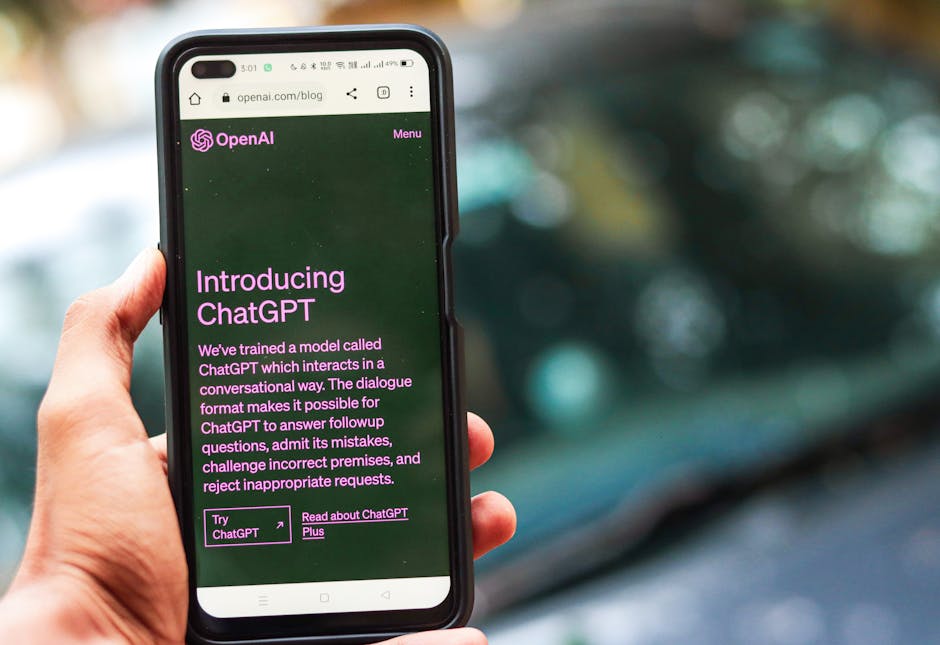
In this context, Intelligent Automation in Grievance Handling is poised to redefine how financial institutions manage complaints. As we look forward to the next 3-5 years, several trends are emerging that will dictate the future trajectory of complaint resolution processes in retail banking.
The Shift Towards AI-Driven Solutions
One major trend is the shift towards AI-driven solutions, enabling banks to address grievances with enhanced efficiency. Intelligent automation leverages machine learning and natural language processing to systematically analyze customer interactions, allowing for more accurate sentiment analysis and proactive complaint management. This facilitates a more streamlined complaint lifecycle, where banks can quickly triage and route complaints based on urgency and complexity.
Enhanced Customer Experience through Personalization
Another significant trend is the use of data analytics to foster personalized customer experiences. Financial institutions like Bank of America are increasingly utilizing customer feedback to fine-tune their offerings. By gathering data from multiple channels, banks can implement targeted strategies that not only address current grievances but also anticipate future needs.
Omni-channel Engagement
Omni-channel engagement is becoming essential for maintaining customer satisfaction. By ensuring that customers can access support across various platforms—be it phone, chat, or social media—financial institutions can improve Customer Satisfaction Scores (CSAT) and drive down First Call Resolution (FCR) rates. Integrating automated decision-making into these channels further enhances the capability to resolve issues swiftly.
Compliance Simplified with Intelligent Automation
As regulatory pressures mount, maintaining compliance remains a core challenge in complaint handling. Automated compliance tracking features reduce the time spent on regulatory reporting and ensure that banks adhere to the required standards. Equipped with real-time analytics, institutions can facilitate root cause analyses that aid in better risk management and compliance.
Moreover, as financial regulations evolve, the agility provided by intelligent automation becomes invaluable, allowing retail banks to adapt swiftly without compromising service quality.
The Role of AI in Future Complaint Management Strategies
Looking ahead, AI chatbots will play a pivotal role in transforming grievance handling processes. By automating routine inquiries, banks can alleviate the burden on customer service representatives, enabling them to focus on complex issues that require human intervention. This results in shorter resolution times and healthier CSAT metrics.
To effectively develop and implement these solutions, financial institutions should consider partnering with innovative service providers like Zbrain for AI solution development, specializing in customized intelligent automation strategies.
Conclusion
As we move forward, embracing AI Complaint Management Solutions will be essential for retail banks seeking to enhance their grievance handling machinations. The alignment between technology and service quality will dictate the success of customer relationship management strategies in the years to come. To explore how such solutions can revolutionize your institution's complaint management, check out AI Complaint Management Solutions.


Comments
Post a Comment